Understanding Addiction
Videos that break down addiction through the lens of brain science and neurology
Understanding Addictions Deeply
We create videos that unravel how addictions shape and alter brain pathways.
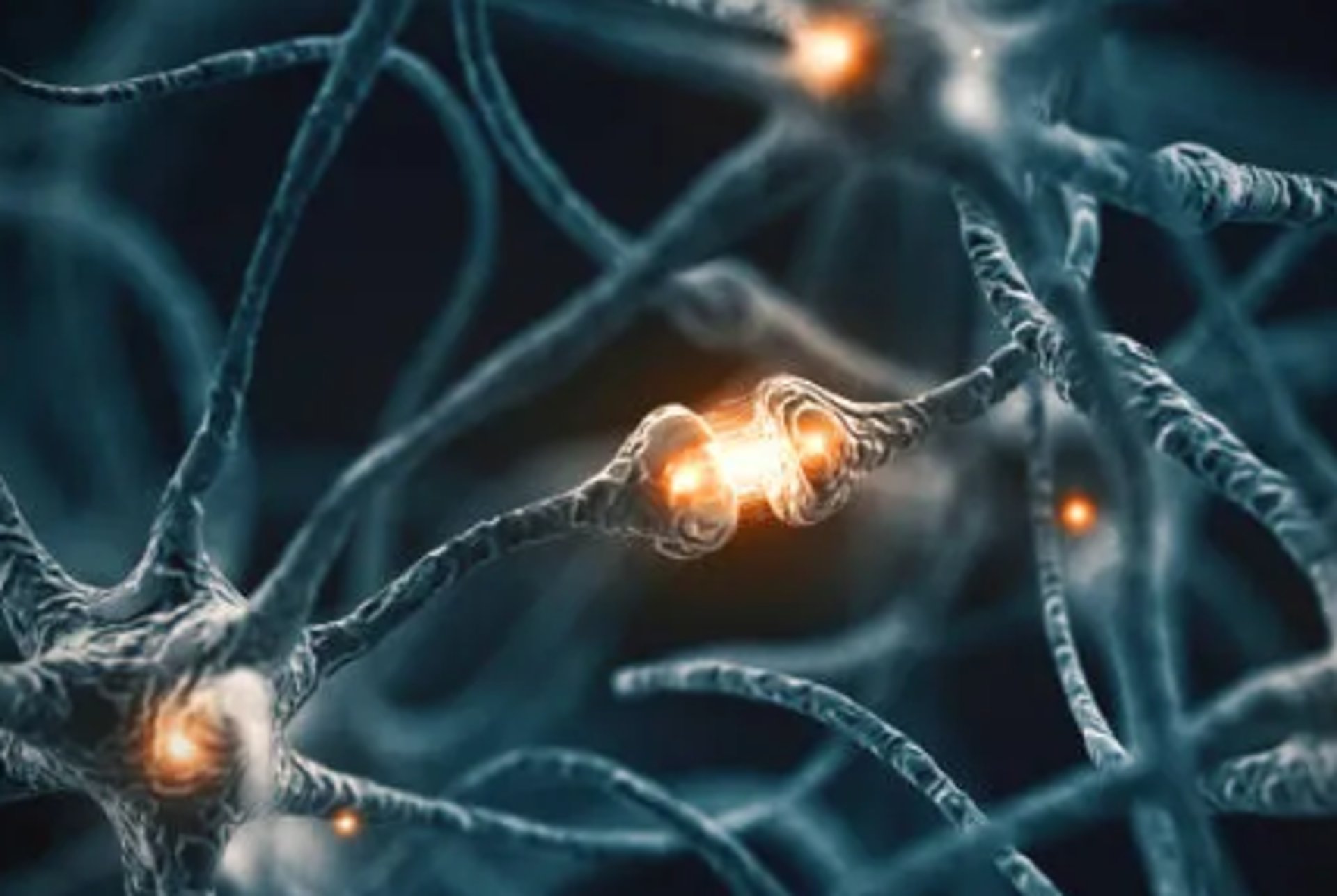
This series of videos explores how addiction gradually shapes and alters the pathways of the human brain. Addiction is often misunderstood as merely a lack of willpower or a simple moral failure. However, research in Neuroscience shows that repeated behaviors—especially those that produce intense pleasure or relief—can physically reshape neural circuits, strengthening patterns that drive cravings and compulsive actions.
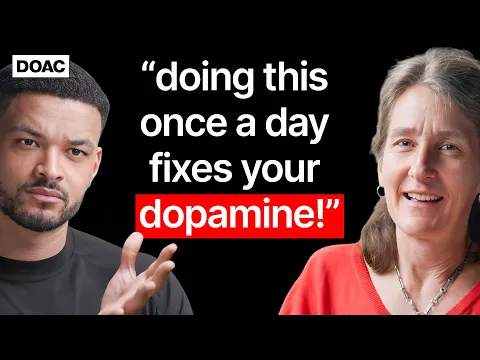
At the center of this process is the brain’s reward system, particularly the neurotransmitter Dopamine. When a person repeatedly engages in addictive behaviors, the brain releases dopamine, reinforcing the experience and encouraging repetition. Over time, this repeated stimulation rewires neural pathways, making the behavior increasingly automatic and difficult to resist. The brain begins to associate certain thoughts, images, or situations with the expectation of reward, forming powerful cycles of anticipation, desire, and action.
To help viewers understand these mechanisms, this series brings together some of the best teaching resources from internationally recognized specialists in addiction and behavioral neuroscience, including experts such as Anna Lembke and others who have dedicated their work to studying the science of craving, habit formation, and recovery. Their insights help explain why addiction develops, how it alters brain pathways, and what steps can help restore balance.
Through these videos, viewers will gain a clearer understanding of how addictive habits are formed, why they become so powerful, and how the brain can gradually heal and rebuild healthier pathways. By combining scientific insight with practical understanding, this series aims to equip individuals with knowledge that can support real and lasting change.





Gallery
Visual teachings of addiction’s concepts
Rebuild My House
A Haggai Call to Revive the Temple of Elohim in Ruins
(Haggai 1: 4, 9)
GET INFOS
contact@rebuildmyhouse.org
© Daniel 2026. All rights reserved.












BECOME A MEMBER BY SUBMITTING YOUR email