Breaking Habits

Understanding masturbation addiction through neuroscience and Christian faith perspectives.
The Sin of Masturbation
Introduction
In today’s world, masturbation is often presented as something normal, harmless, or even healthy. Many voices—from culture, psychology, and media—encourage people to treat it as a natural expression of human sexuality. Yet the Scriptures call believers to a very different understanding of the body, the mind, and the purpose of sexuality.
According to the Bible, sexual desire was created by God and given a sacred place within marriage. When it is separated from that purpose, it easily becomes a doorway for lust, fantasy, and inward corruption of the heart. Jesus Himself taught that sin does not begin merely with outward actions, but within the thoughts and desires of the inner person.
For this reason, many believers throughout history have understood masturbation not simply as a physical act, but as part of a deeper spiritual struggle involving lust, imagination, and the misuse of the body that was created to honor God.
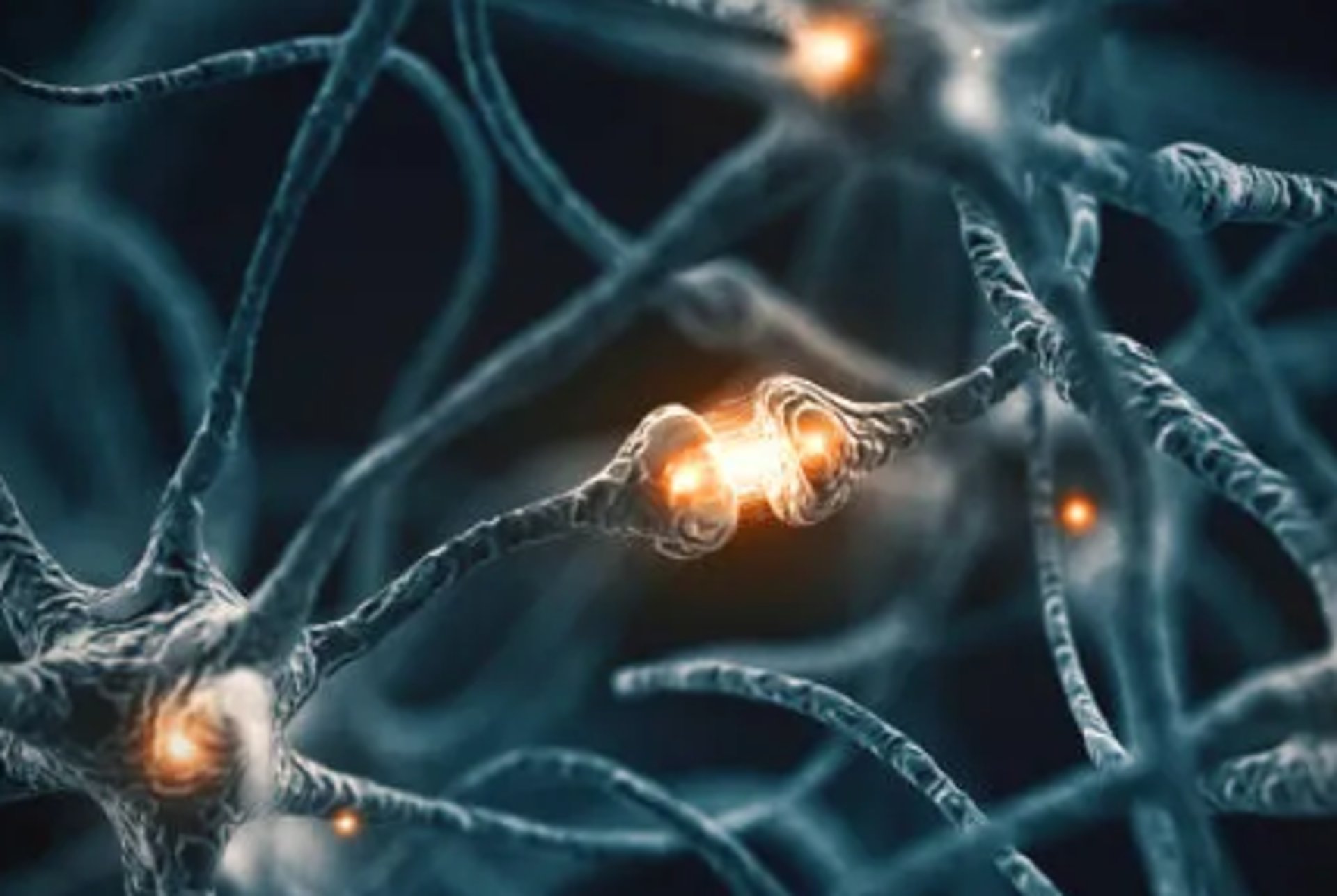
At the same time, modern neuroscience has begun to uncover how sexual stimulation—especially when connected to fantasy and repeated behavior—affects the brain. Research shows that such patterns can reshape neural pathways, reinforce compulsive habits, and alter the way the mind experiences desire and reward.
In this series of videos, we will look at this issue from two complementary perspectives:
• The biblical perspective, which examines the spiritual nature of lust and the call to purity.
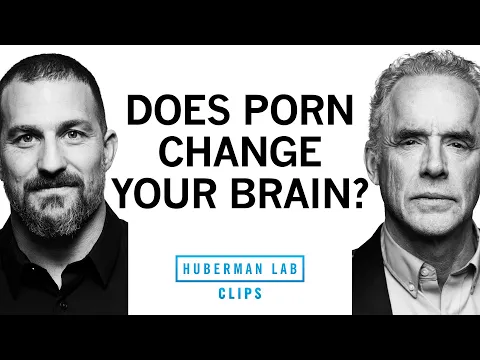
• The neurological perspective, which explains how repeated sexual stimulation and fantasy can influence the brain and behavior.
The goal is not condemnation, but understanding. Many people struggle silently with habits they feel unable to break. By bringing together biblical wisdom and scientific insight, these videos aim to help viewers recognize the nature of the struggle and begin moving toward freedom, self-control, and a renewed mind.



Rebuild My House
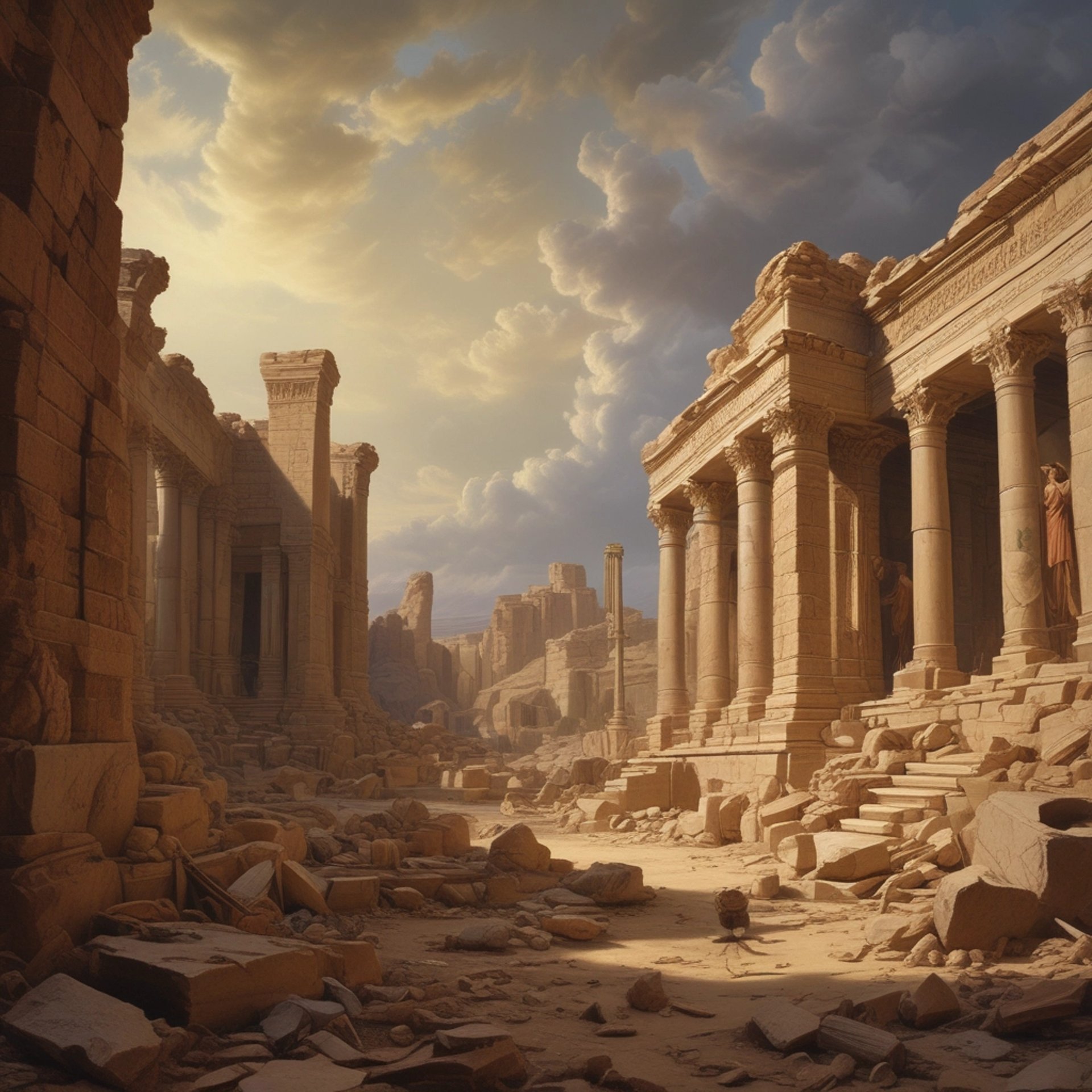
A Haggai Call to Revive the Temple of Elohim in Ruins
(Haggai 1: 4, 9)
GET INFOS
contact@rebuildmyhouse.org
© Daniel 2026. All rights reserved.












BECOME A MEMBER BY SUBMITTING YOUR email